
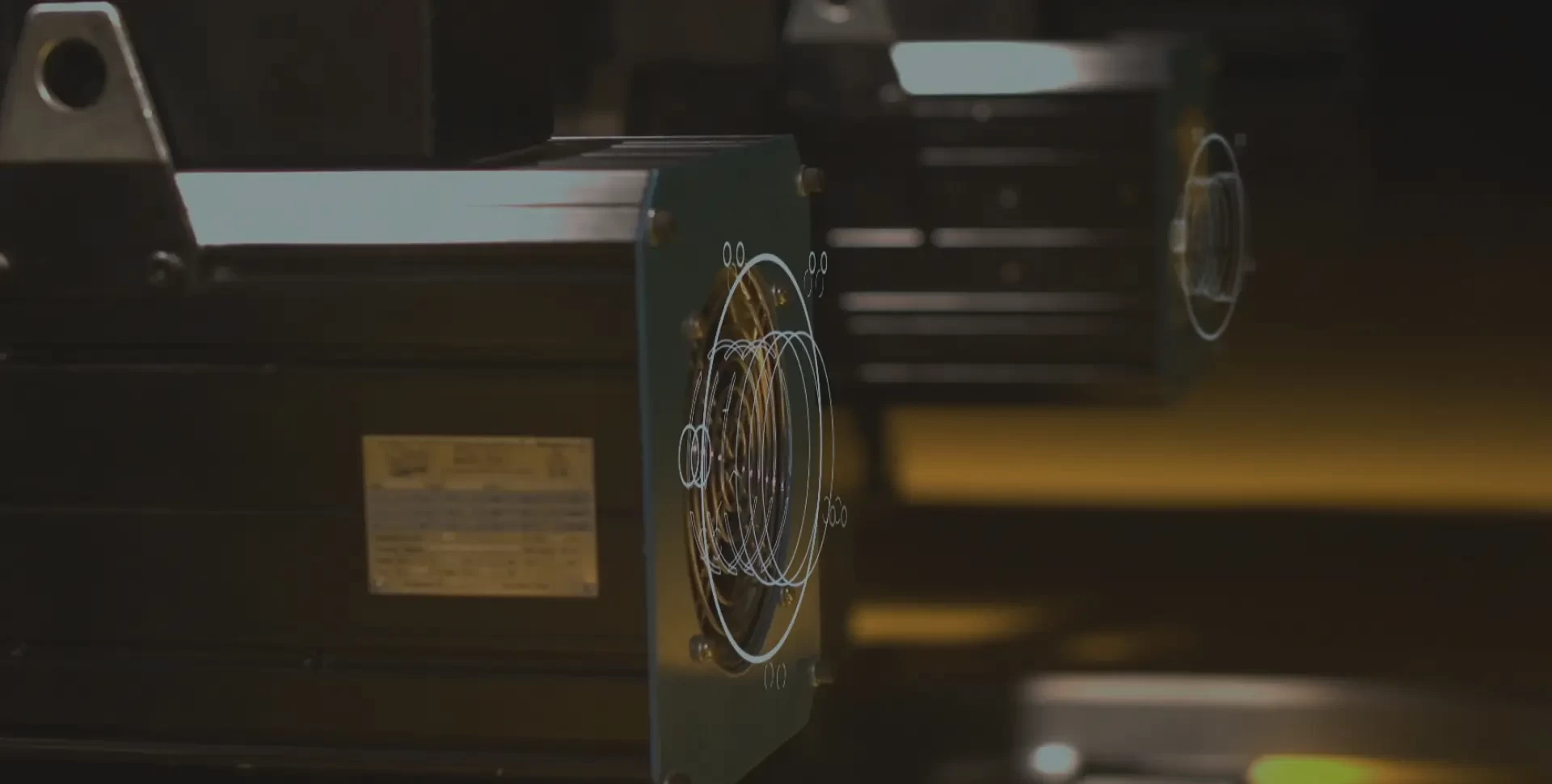
Generational Leap,
Energy Efficiency Pioneer
Platform-Level Evolution
real-world feedback gathered from over 10,000 end-user sites
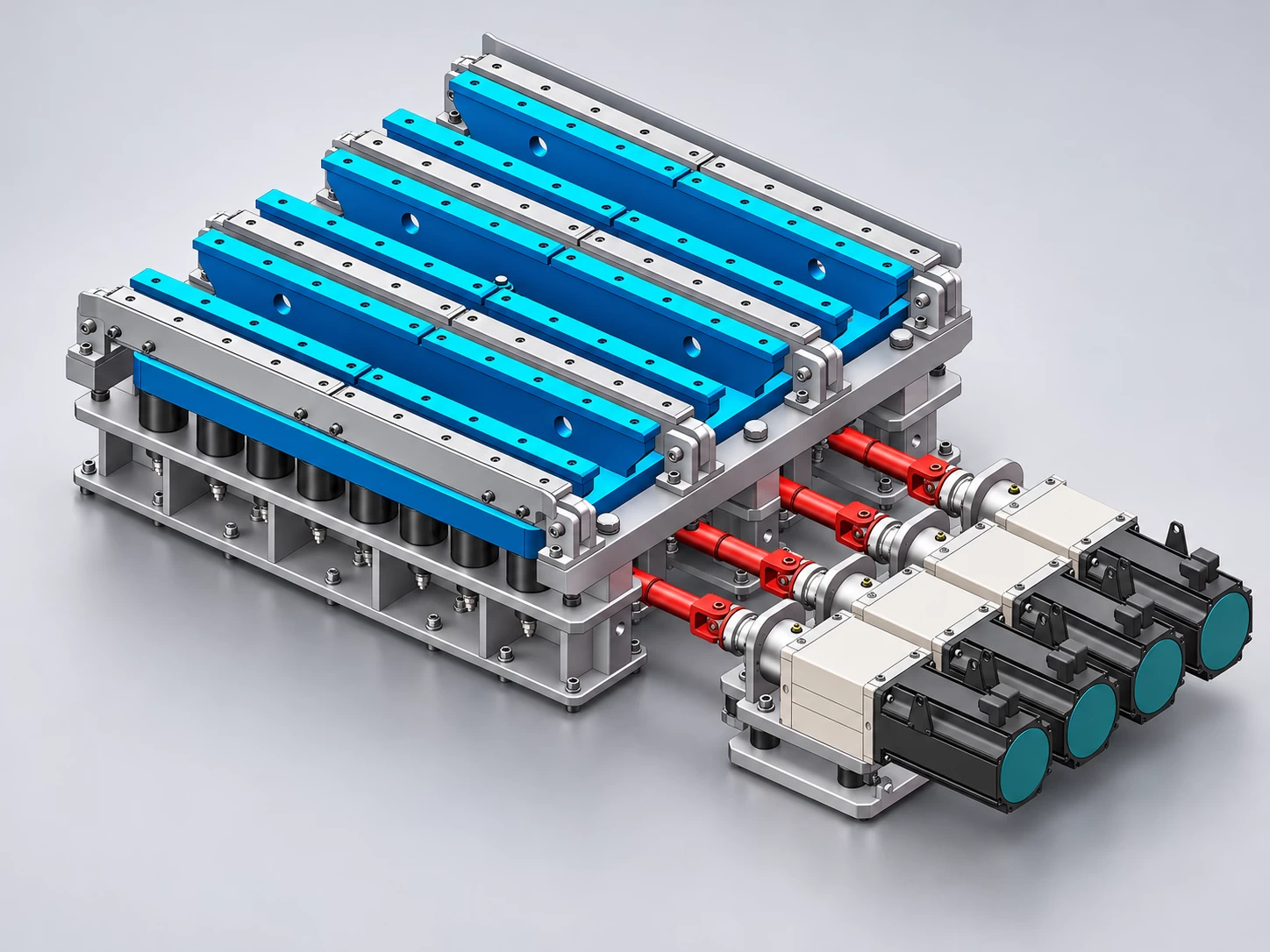
The third-generation patented servo vibrator is by no means a mere upgrade of a single technology. Rather, it represents a systematic, platform-level evolution—built upon in-depth analysis of operational data from the previous two generations and real-world feedback gathered from over 10,000 end-user sites across the intelligent block-making industry.
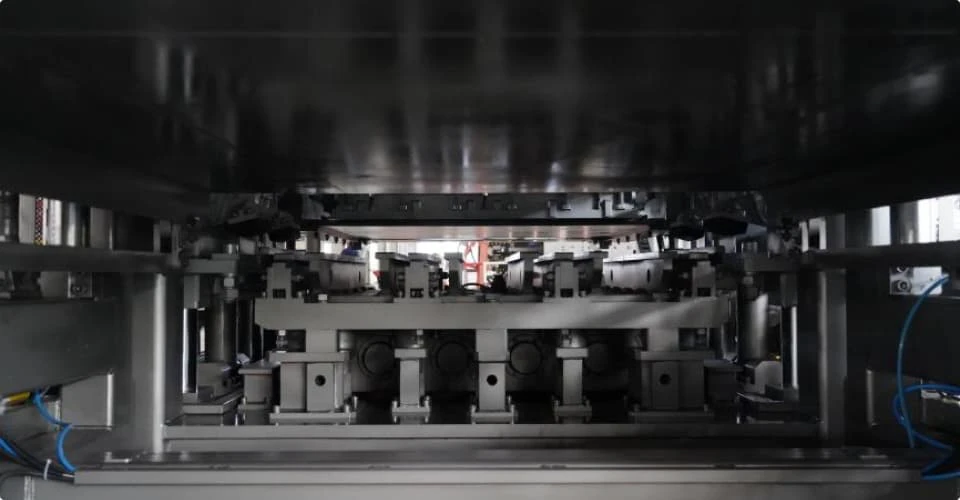
System-Level Integration
Upgrade to intelligent coordination across the entire system
The third-generation system goes beyond the optimization of individual components. It focuses on the deep integration and coordinated operation of the entire vibration system, enabling the servo drive, vibration mechanism, control algorithms, and mechanical structure to work as an integrated whole. This holistic approach elevates vibration control from isolated parameter adjustments to intelligent, system-wide coordination.
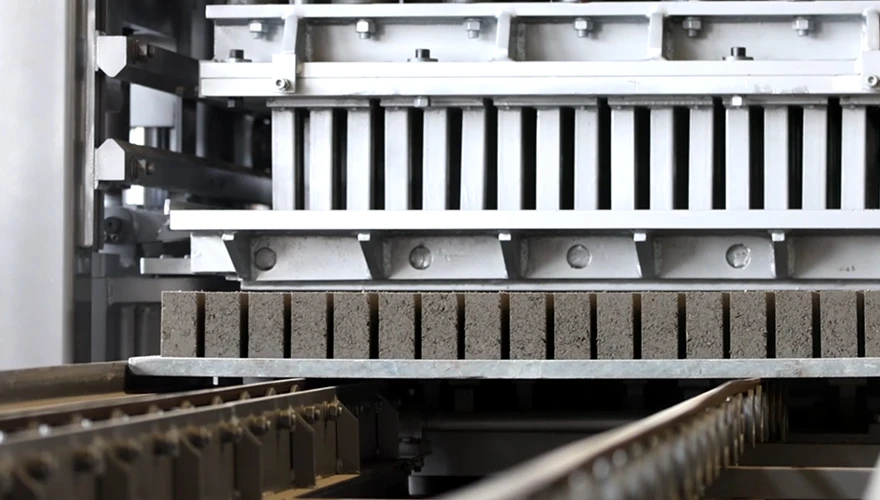
Performance-Level Transformation
Surge in Production Capacity
The ultimate value of technological innovation lies in its ability to translate engineering breakthroughs into tangible production benefits. Through continuous optimization of vibration control and system response, the third-generation platform is designed to deliver greater control precision, more consistent compaction performance, and enhanced adaptability to different production requirements. It ultimately aims to help block manufacturers achieve a more stable, efficient, and intelligent production process.

Generational Transformation, Redefining the Benchmark of Energy Efficiency
01 / 03
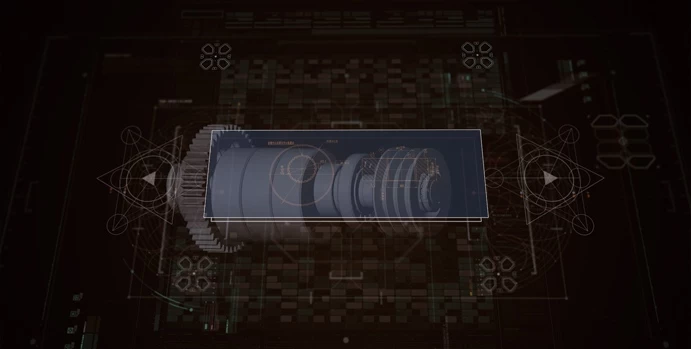
Extreme Responsiveness, Instant Start-Stop Performance
· Acceleration time reduced to just 1.0 second, with excitation force exceeding 170 kN. Starting response is further improved by 6% over the second generation, representing a cumulative improvement of more than 20% over the first generation.
· 15% reduction in rotational inertia — achieved through the use of high-strength, lightweight alloys and an optimized rotor design, bringing mass distribution closer to its ideal configuration and enabling exceptionally rapid dynamic response with virtually no lag.
· The time required to build up to rated operating conditions from a standstill is compressed to an absolute minimum. This is particularly advantageous for demanding processes involving high-density products. Saving just seconds per production cycle translates into substantial cumulative gains in daily production output.
02 / 03
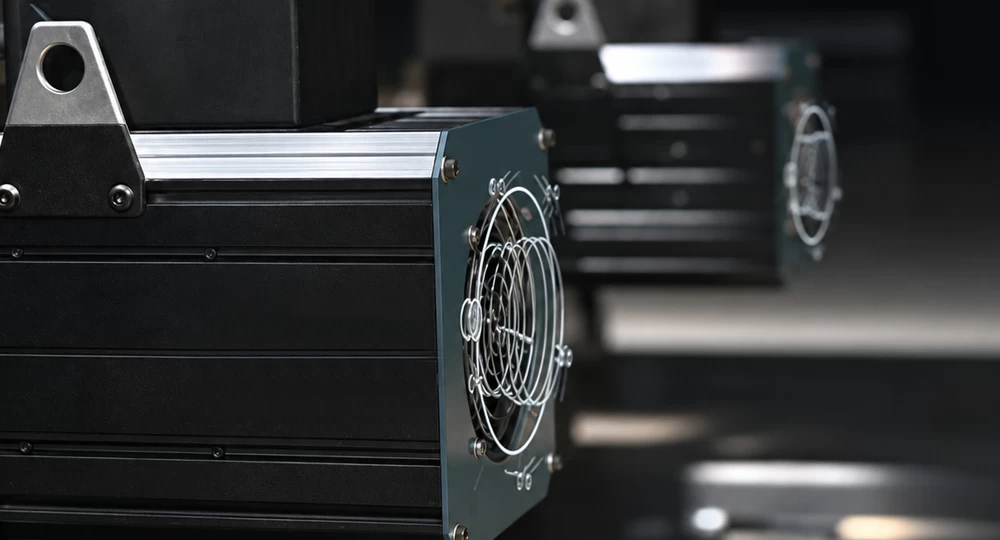
Further Energy Efficiency, Lower Costs and Carbon Emissions
· System energy consumption is reduced by more than 5% compared with the second generation, bringing the cumulative reduction to over 17% compared with the first generation. Significantly less input power is required to deliver the same excitation force, simultaneously reducing electricity costs, electrical load demand, and heat losses — enabling more energy-efficient and environmentally responsible production.
03 / 03
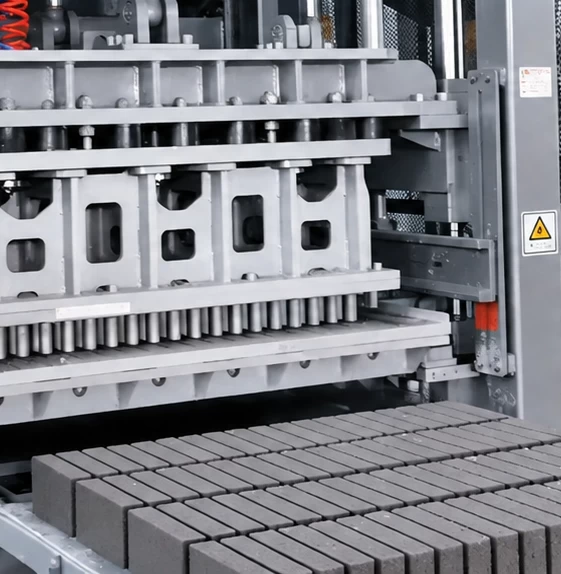
Higher Effective Compaction, Superior Product Quality
· Excitation frequency increases by 3%, bringing the cumulative improvement to over 5%. This increases effective compaction work per unit of time, helping reduce internal voids in finished products and significantly improving compaction density and uniformity.
· Production efficiency increases by approximately 6% over the second generation, representing a cumulative improvement of more than 20% over the first generation. Shorter molding cycles, reduced rejection rates, and simplified downstream processes unlock value across multiple stages of production.
Comparison of Core
Technical Parameters
Gen 1
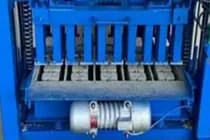
Gen 2

Gen 3 (Qunfeng)
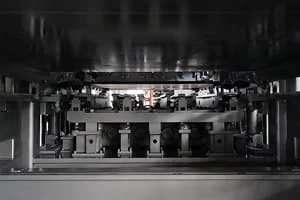
Start-up Acceleration
1.3s
Start-up Acceleration
1.07s
Start-up Acceleration
1.0s
Excitation Force
161 kN
Excitation Force
165 kN
Excitation Force
170+ kN
Energy Consumption (vs. previous gen)
Baseline
Energy Consumption (vs. previous gen)
Reduced by 14%
Energy Consumption (vs. previous gen)
Reduced by over 5%
(cumulative reduction of over 17% from Gen 1)
Start-up Speed (vs. previous gen)
Baseline
Start-up Speed (vs. previous gen)
Increased by 17%
Start-up Speed (vs. previous gen)
Increased by over 6%
(cumulative increase of over 20% from Gen 1)
Production Efficiency (vs. previous gen)
Baseline
Production Efficiency (vs. previous gen)
Increased by 15%6
Production Efficiency (vs. previous gen)
Increased by over 6% 6
(cumulative increase of over 20% from Gen 1)6
Adopted by
Smaller manufacturers
Adopted by
Mid-sized manufacturers
Adopted by
Qunfeng Machinery
Gen 3 (Qunfeng)
Start-up Acceleration
1.0s
Excitation Force
170+ kN
Energy Consumption (vs. previous gen)
Reduced by over 5%
(cumulative reduction of over 17% from Gen 1)
Start-up Speed (vs. previous gen)
Increased by over 6%
(cumulative increase of over 20% from Gen 1)
Production Efficiency (vs. previous gen)
Increased by over 6% 6
(cumulative increase of over 20% from Gen 1)6
Adopted by
Qunfeng Machinery
Gen 2
Start-up Acceleration
1.07s
Excitation Force
165 kN
Energy Consumption (vs. previous gen)
Reduced by 14%
Start-up Speed (vs. previous gen)
Increased by 17%
Production Efficiency (vs. previous gen)
Increased by 15%6
Adopted by
Mid-sized manufacturers
Gen 1
Start-up Acceleration
1.3s
Excitation Force
161 kN
Energy Consumption (vs. previous gen)
Baseline
Start-up Speed (vs. previous gen)
Baseline
Production Efficiency (vs. previous gen)
Baseline
Adopted by
Smaller manufacturers
Related Products
Related Cases
This is not just a vibration upgrade.
It is a more advanced production foundation for
manufacturers who demand higher standards.