


AAC Block Manufacturing Process is the backbone of modern, sustainable wall materials, and at Qunfeng we build the production lines that make it simple, precise, and scalable. As a manufacturer, we focus on stable output, consistent density, and energy savings - so your plant runs smoothly while producing top-quality AAC lightweight blocks for a wide range of construction needs.
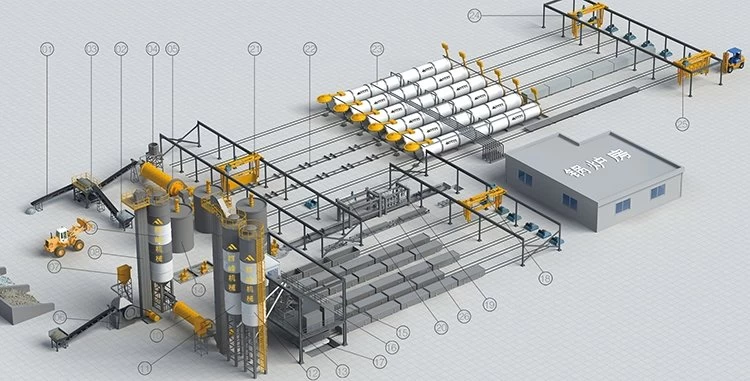
From Raw Materials to Green Cakes: The AAC Block Manufacturing Process
The AAC Block Manufacturing Process at Qunfeng starts with proven ingredients - fly ash or sand, cement, lime, gypsum, water, and a small dose of aluminum powder as the foaming agent. Our automated AAC block production line turns these inputs into uniform blocks with excellent heat preservation, low weight, and strong environmental benefits, while reducing operating costs and manual variability.
• Step-by-Step AAC Block Manufacturing Process
1) Raw Material Preparation
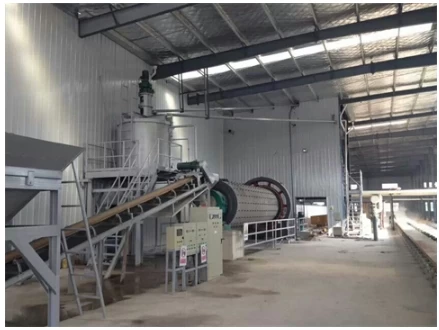
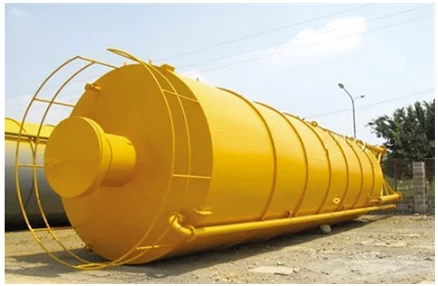
We condition siliceous and calcareous materials for reactivity and consistency. Sand or fly ash is crushed and ground - often via wet grinding - to form a stable slurry. Lump lime is crushed and milled; gypsum is blended as needed. Conveyors and bucket elevators feed silos for clean, segregated storage. This controls particle size and moisture, which is critical for predictable foaming, reliable green strength, and smooth downstream cutting. Waste slurry is collected and mixed with water for reuse, reducing loss and keeping the plant tidy.
2) Dosing, Pouring & Pre-Curing
Automated weighing hoppers and tanks meter cement, lime, slurry, water, and additives with recipe control. Aluminum powder is mixed to create controlled gas expansion - enough to achieve low density without over-foaming. In the pouring mixer, ingredients reach target temperature, density, and viscosity before the slurry is cast into molds. During pre-curing, the mix foams, thickens, and gains early strength. Stable pre-curing protects pore structure, enabling the light weight and insulation AAC is known for while preparing the cake for clean demoulding.
3) Turning, Demoulding & Precision Cutting
When the green cake reaches the right strength, a turning crane inverts the mold for smooth demoulding. Side plates carry the cake to cutting. Qunfeng's vertical and horizontal cutting machines size products accurately, remove top/bottom waste, and prepare blocks or slabs. Tight, repeatable cuts reduce scrap, improve packing density, and help maintain straight edges for faster jobsite laying. Grouping cranes then arrange semi-finished units on curing carts with minimal handling damage.
4) Autoclaving and Final Handling
Curing carts load the autoclaves, where high temperature and pressure complete hydration to deliver final strength and stability. After steaming, finished blocks move through separation and packing. Automated separators, clamp systems, cubers, pallet providers, and tank-type conveyors streamline the last mile, so forklifts can move stable, wrapped stacks to dispatch quickly and safely.
Why Leading Builders Choose Qunfeng
Across the industry, common pain points include fluctuating quality, rising energy bills, overtime for rework, and long changeovers when switching sizes. Qunfeng addresses these head-on. Our AAC Block Manufacturing Process is fully automated, using precise molding and repeatable cycles to deliver consistent blocks every shift. Energy-conscious drives, thoughtful heat management, and waste-slurry recycling help keep utilities in check. The line supports a broad product mix - blocks and slabs - so you can serve structural and infill applications without separate setups. Optional steel-bar insertion for aerated concrete slabs is integrated into the flow when needed.
From raw material treatment to autoclaving, each station is synchronized. Bucket elevators and conveyors keep materials clean and moving; controlled dosing stabilizes density; pre-curing protects pore structure for light weight and insulation; vertical and horizontal cutting deliver exact dimensions; and automated separation, cubing, and packing speed up dispatch. Durable, standardized assemblies reduce unplanned stops, while accessible layouts simplify routine service - so your team spends more time producing and less time troubleshooting.
• Business outcomes you can measure
✅ Higher capacity: Faster, synchronized stations increase daily throughput and smooth bottlenecks.
✅ Lower costs: Energy-efficient curing and recycling of slurry trim operating expenses over time.
✅ Reliable quality: Accurate dosing and controlled reactions stabilize density and strength across batches.
✅ Flexible sizes: Quick, repeatable cuts and stable mould logistics support varied dimensions with minimal changeover.
✅ Less maintenance: Robust modules and standard parts reduce downtime and spare-parts complexity.
When your market demands short lead times and dependable block properties, the AAC Block Manufacturing Process must be both robust and adaptable. That is why our production line integrates crushing, dosing, mixing, pouring, pre-curing, cutting, autoclaving, and end-of-line packing into one coherent, automated flow - built for longevity, clean operation, and scalable output.
Call to Action: Ready to upgrade or launch your AAC capacity? Contact Qunfeng to request a process layout, cycle-time estimate, and a tailored equipment list for your target sizes. Our engineers will map your AAC Block Manufacturing Process from raw material preparation to finished-product packing - so you start strong and scale with confidence.